Frequently Asked Questions About Regenerative Comp…
Posted by AVP on Jul 31st 2026
Compressed air naturally contains moisture, oil, dirt, and other contaminants that can interfere with pneumatic equipment and industrial processes. As compressed air cools, water vapor can condense inside piping, tools, valves, instruments, and production equipment. A regenerative compressed air dryer removes this moisture to produce consistently dry air for demanding applications.
Regenerative desiccant air dryers are especially valuable when a conventional refrigerated dryer cannot provide a sufficiently low pressure dew point. Depending on the design and operating conditions, regenerative dryers can provide pressure dew points ranging from approximately -40°F to -100°F, making them suitable for applications that require dry or ultra-dry compressed air.
The following frequently asked questions explain how regenerative compressed air dryers work, where they are used, and what to consider when selecting a dryer for your compressed air system.
What Is a Regenerative Compressed Air Dryer?
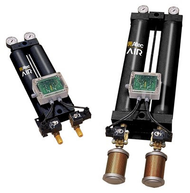
A regenerative compressed air dryer is a type of desiccant air dryer that removes water vapor from compressed air through adsorption. The dryer typically contains two vessels, or towers, filled with a desiccant material such as activated alumina or molecular sieve.
While one tower dries the compressed air, the other tower undergoes regeneration. During regeneration, moisture is removed from the saturated desiccant so it can be used again. The two towers alternate between drying and regenerating, allowing the system to provide a continuous supply of dry compressed air.
How Does a Regenerative Desiccant Air Dryer Work?
Wet compressed air enters the active drying tower and passes through a bed of desiccant. The desiccant attracts and holds water vapor while allowing the dried air to continue into the compressed air system.
After a set period, the dryer switches towers. The saturated tower is regenerated using dry purge air, heated air, blower air, or another regeneration method. Once the desiccant has been dried and the vessel repressurized, that tower is ready to return to service.
This repeating process allows a regenerative compressed air dryer to maintain a low pressure dew point without regularly replacing the entire desiccant bed.
What Pressure Dew Point Can a Regenerative Air Dryer Achieve?
Many regenerative desiccant air dryers are designed to provide a pressure dew point of approximately -40°F. Systems intended for ultra-dry applications may be configured to achieve pressure dew points as low as -100°F.
The required dew point depends on the application, ambient conditions, system pressure, airflow, and sensitivity of the downstream equipment. A -40°F pressure dew point is common for industrial instrumentation and outdoor compressed air lines, while a -100°F pressure dew point may be required for laboratories, electronics, specialty manufacturing, and other moisture-sensitive processes.
What Is the Difference Between Heatless and Heated Regenerative Dryers?
Heatless regenerative air dryers use a portion of the already-dried compressed air to regenerate the offline desiccant tower. Their relatively simple design makes them dependable and well suited to many lower-flow or intermittent applications. However, because they consume compressed purge air, the effective operating cost should be considered when sizing the system.
Heated regenerative dryers use heat to help release moisture from the desiccant. Because heat improves regeneration, these dryers generally require less compressed purge air than heatless designs.
Available configurations may include externally heated dryers, blower purge dryers, and zero-purge or reduced-purge systems. The best choice depends on airflow, energy costs, available utilities, operating schedule, and the required pressure dew point.
What Is a Blower Purge Regenerative Air Dryer?
A blower purge dryer uses an external blower to draw in ambient air for desiccant regeneration. The air is heated and passed through the saturated desiccant bed, removing accumulated moisture without relying entirely on compressed purge air.
Blower purge dryers are often considered for larger compressed air systems where reducing compressed-air consumption can provide meaningful energy savings. Because these systems include additional components, such as blowers and heaters, their operating environment and maintenance requirements should also be evaluated.
When Should I Use a Regenerative Dryer Instead of a Refrigerated Dryer?
A refrigerated compressed air dryer is often appropriate when a pressure dew point near 35°F to 39°F will satisfy the application. It cools compressed air so moisture condenses and can be separated from the air stream.
A regenerative desiccant dryer is generally the better choice when the system requires a pressure dew point below freezing. Examples include outdoor piping exposed to cold temperatures, pneumatic instruments, laboratory equipment, paint and coating processes, electronics manufacturing, pharmaceutical production, and systems where even small amounts of moisture may damage equipment or affect product quality.
In some installations, a refrigerated dryer may be used upstream of a regenerative dryer to reduce the moisture load and improve overall efficiency.
What Applications Use Regenerative Compressed Air Dryers?
Regenerative compressed air dryers are used across a wide variety of industrial and technical applications, including:
- Instrument air systems
- Laboratory and research equipment
- Pharmaceutical and chemical processing
- Electronics and semiconductor manufacturing
- Food and beverage production
- Paint spraying and coating systems
- Outdoor compressed air piping
- High-pressure air systems
- Offshore and classified-area applications
- Breathing air purification systems
- Pneumatic controls and precision instruments
Specialized regenerative dryers may also be designed for explosion-proof environments, harsh operating conditions, high-pressure service, or applications involving specialty gases.
How Do I Choose the Correct Size Regenerative Air Dryer?
A regenerative dryer should be sized according to the actual operating conditions of the compressed air system rather than compressor horsepower alone. Important factors include:
- Maximum airflow in SCFM
- Minimum and maximum operating pressure
- Inlet air temperature
- Ambient temperature
- Required pressure dew point
- Compressor type
- Daily operating schedule
- Expected future demand
- Available electrical power or utilities
- Pressure loss allowed across the dryer
Higher inlet temperatures and lower operating pressures can reduce a dryer’s effective capacity. The dryer may therefore require correction factors to ensure it can handle the true moisture load under peak conditions.
Proper sizing helps prevent excessive pressure drop, shortened desiccant life, unstable dew points, and moisture breakthrough.
Why Are Prefilters and Afterfilters Important?
Proper filtration is essential for dependable regenerative dryer performance. A coalescing prefilter helps remove liquid water, oil aerosols, and particulate contamination before compressed air enters the desiccant towers.
Without adequate pretreatment, oil and liquid water can contaminate the desiccant, reduce adsorption capacity, and shorten its useful life. An afterfilter is commonly installed downstream of the dryer to capture desiccant dust before it enters the compressed air distribution system.
Automatic drain valves, moisture separators, compressor aftercoolers, and properly sized filters may all be part of a complete compressed air treatment system.
How Often Does the Desiccant Need to Be Replaced?
Desiccant life varies according to inlet air quality, operating temperature, airflow, cycle frequency, filtration, and maintenance practices. In a properly designed and maintained system, desiccant may remain effective for several years.
Premature desiccant failure can occur when the dryer is exposed to liquid water, compressor oil, excessive temperatures, or degraded filtration. Routine dew-point monitoring and regular inspections can help identify declining performance before moisture begins affecting downstream equipment.
What Maintenance Does a Regenerative Air Dryer Require?
Routine maintenance may include replacing prefilter and afterfilter elements, inspecting valves, checking purge settings, testing drains, examining mufflers, and monitoring the dryer’s pressure dew point.
Heated and blower purge dryers may also require inspection of heaters, temperature sensors, blowers, contactors, and related controls. The desiccant should be checked periodically for contamination, dusting, channeling, or loss of adsorption capacity.
Following the manufacturer’s recommended service schedule helps maintain consistent air quality and reduces the likelihood of unexpected shutdowns.
Are Regenerative Air Dryers Available for Small Airflows?
Yes. Miniature and modular regenerative dryers are available for laboratories, analytical instruments, pneumatic controls, and other applications that use relatively small volumes of compressed air.
Depending on the product, compact regenerative dryers may support flows ranging from fractions of an SCFM to approximately 12 SCFM. Mini heatless dryers are also available for applications requiring flows from approximately 3 to 50 SCFM, while larger industrial models can support 70 SCFM or substantially more.
Can Regenerative Dryers Be Used in Hazardous or Explosion-Proof Areas?
Regenerative compressed air dryers can be engineered for classified and explosion-proof environments. These systems may use specialized electrical enclosures, controls, instruments, wiring methods, and components selected for the applicable area classification.
Because hazardous-location requirements vary, the dryer should be specified according to the exact operating environment, gas group, temperature class, electrical standard, installation location, and applicable regulatory requirements.
Where Can I Find the Right Regenerative Compressed Air Dryer?
Here at Air & Vacuum Process, we offer regenerative desiccant air dryers for small laboratory systems, industrial compressed air networks, high-pressure applications, classified areas, and other specialized installations. Available options include miniature regenerative dryers, heatless air dryers, externally heated dryers, blower purge systems, modular dryers, portable units, and custom-designed solutions.
Selecting the right regenerative compressed air dryer begins with understanding your airflow, operating pressure, inlet temperature, required pressure dew point, and installation environment. Working with an experienced compressed air equipment supplier can help ensure the dryer is correctly sized and configured for dependable, energy-conscious operation.