Portable Compressed Air Dryers Supporting Renewabl…
Posted by AVP on Apr 29th 2026
Renewable energy facilities operate in environments where reliability is everything. Wind farms stretch across wide plains, solar installations cover remote land, and service crews often travel long distances to keep equipment running smoothly. In these situations, portable compressed air dryers become a practical solution for maintaining compressed air quality.
Compressed air dryers, deliquescent or regenerative, are used across many industries including pipelines, construction, manufacturing, and energy. In renewable energy infrastructure, these systems help crews maintain tools and instrumentation even when permanent air treatment equipment is unavailable.
Compressed air is essential for wind turbine and solar maintenance teams, powering pneumatic tools, instrument calibration, and cleaning. System moisture can disrupt these processes. When the dew point rises or water enters pneumatic lines, equipment performance becomes unpredictable. Portable drying systems help eliminate these issues and ensure that mobile maintenance teams can operate safely and efficiently.
Beyond renewable energy, portable compressed air dryers provide a wide range of industrial air-drying solutions. Field engineers rely on them for pipeline commissioning, construction projects, and temporary maintenance setups. The flexibility of these dryers makes them among the most practical air compressor accessories for technicians working in remote locations.
The Essential Role of Portable Compressed Air Dryers in Renewable Energy Infrastructure
Wind farms and solar installations pose unique maintenance challenges. Equipment is distributed across large areas, weather conditions vary dramatically, and permanent compressed air systems are not always available.Portable compressed air dryers maintain air quality for maintenance tasks in any location.
Technicians often rely on mobile compressors when performing turbine maintenance, blade inspections, or control system calibration. When compressed air contains moisture, tools may corrode, sensors may malfunction, and condensation can accumulate inside air lines. This makes moisture removal compressed air treatment a priority during service work.
Portable compressed air dryers (deliquescent or regenerative) are used in industries like pipelines, construction, manufacturing, and energy. Renewable energy maintenance teams also rely on this technology for dependable, infrastructure-free compressed air quality in the field.
Another advantage is flexibility. Portable systems are a great, affordable alternative to permanent air treatment, especially when you need to dry things out temporarily during remote site visits or quick fixes. Since they're a breeze to move, you can easily just lug them from one turbine tower to the next or across solar arrays as needed.
Understanding Regenerative and Deliquescent Dryers in Industrial Air Drying Solutions
Renewable energy service teams encounter many different air dryer types, and understanding their differences helps technicians choose the right solution for each job. Two of the most common technologies used in mobile drying systems are regenerative desiccant dryers and deliquescent dryers.
Both technologies use desiccants to remove moisture from compressed air, lowering the dew point to prevent condensation in equipment. The desiccant bed either absorbs or adsorbs water vapor as the air passes through, depending on the dryer's design.
These tough, dependable systems often get used in remote locations with portable compressed air dryers.
Regenerative Desiccant Dryers
Regenerative desiccant dryers use adsorption technology to remove moisture from compressed air. Materials such as activated alumina or molecular sieve capture water vapor and produce extremely low dew point conditions. The desiccant must be regenerated after use through a process called desiccant air dryer regeneration to remove collected moisture and restore its drying capability.
These systems are commonly used when ultra dry air is required for instrumentation or analytical equipment. Renewable energy facilities sometimes rely on regenerative desiccant dryers when servicing sensitive turbine control systems or monitoring equipment that requires consistent compressed air quality.
For smaller flow applications, technicians may use compact systems like Miniature Heatless Dryers, which provide dependable drying in portable packages designed for field operations.
Deliquescent Dryers
Deliquescent dryers offer a simpler approach to moisture removal compressed air treatment. These systems use desiccant tablets that gradually dissolve as they absorb moisture from the compressed air stream. Because they require no external energy or complex regeneration cycles, they are often used in rugged environments where simplicity is valuable.
Portable compressed air dryers using deliquescent technology are especially useful for temporary operations. Maintenance crews can install them quickly and replace desiccant material when needed. In renewable energy projects, these dryers often support mobile compressor systems used during turbine installation or inspection.
A common example is the Van Air Single Tower Deliquescent Dryer, which is widely used for industrial air drying solutions in pipeline work, construction sites, and field service operations.
Portable Air Dryers Supporting Wind Turbine and Solar Maintenance
Wind turbines rely on numerous pneumatic and instrumentation systems that require reliable compressed air. Maintenance crews may use compressed air to power handheld tools, clean components, or test pressure sensors during routine inspections.
Portable compressed air dryers help ensure that the air supplied to these systems remains dry and stable. When moisture enters pneumatic systems, corrosion can occur inside valves or fittings. Water contamination may also affect calibration accuracy when technicians are testing turbine sensors.
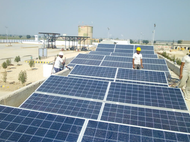
Solar energy facilities experience similar challenges. Dust removal and equipment servicing often require compressed air, and moisture contamination can damage sensitive electrical components. Portable drying systems allow technicians to maintain proper air conditions while performing maintenance tasks across large solar fields.
Portable compressed air dryers, deliquescent or regenerative, are used across many industries including pipelines, construction, manufacturing, and energy. In renewable energy service operations, these systems play an important role in ensuring the reliability of pneumatic tools and instrumentation, even in remote locations.
Choosing the Right Portable Compressed Air Dryer for Field Operations
Selecting the correct drying system requires careful consideration of several factors. Service teams must evaluate airflow requirements, environmental conditions, and the sensitivity of the equipment they are supporting.
An effective air dryer selection guide typically considers the following elements:
- required dew point level
- airflow capacity
- environmental temperature conditions
- portability requirements
- maintenance intervals
Portable compressed air dryers remain a preferred choice for field service operations because they combine mobility with dependable moisture removal. When technicians can maintain proper compressed air quality during maintenance activities, they reduce the risk of equipment failures and ensure that renewable energy systems operate reliably.
Beyond renewable energy, these dryers support a wide range of industrial air drying solutions. Pipeline crews use them during commissioning, construction teams rely on them for pneumatic tools, and maintenance engineers deploy them during plant shutdowns or temporary repairs.
Portable compressed air dryers are a practical solution for renewable energy service providers. They offer flexible, reliable compressed air quality maintenance where permanent systems are impractical. Compatible with regenerative desiccant or deliquescent dryers, they are valuable for field technicians maintaining critical energy infrastructure efficiency.